
Gardening Without Pain: How To Protect Your Back, Knees & Hands This Spring
Gardening Without Pain: How To Protect Your Back, Knees & Hands This Spring
Spring has finally arrived in Ontario, and many of us are eager to get back outside and into the garden. While gardening is a wonderful way to stay active, reduce stress, and enjoy fresh air, it can also place unexpected strain on the body — especially after a long winter of being less active.
At Healthwise Physiotherapy, we often see an increase in back pain, knee pain, shoulder tension, and hand or wrist discomfort during gardening season. The good news? A few simple strategies can help you enjoy your garden while avoiding injury.

Why Gardening Can Lead to Injuries
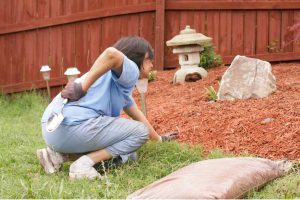
Gardening may not seem physically demanding, but it involves many repetitive movements and awkward positions, including:
- Bending forward for long periods
- Kneeling and squatting
- Lifting heavy bags of soil or pots
- Reaching overhead
- Repetitive gripping and pulling
When these activities are repeated without proper body mechanics or conditioning, they can lead to muscle strain, joint irritation, and flare-ups of existing aches and pains.
Common Gardening Injuries We See
Low Back Pain
Repeated bending, twisting, and lifting can place extra stress on the lower back muscles and spine.
Knee Pain
Long periods of kneeling or squatting can irritate arthritic joints or strain the knees.
Shoulder & Neck Tension
Pulling weeds, trimming hedges, and lifting can overload the shoulders and upper back.
Wrist & Hand Strain
Repetitive gripping of tools may aggravate arthritis, tendonitis, or carpal tunnel symptoms.
Tips to Garden Safely
1. Warm Up Before You Start
Just like any other physical activity, your body benefits from a short warm-up before gardening.
Try:
- Marching on the spot
- Gentle arm circles
- Shoulder rolls
- Light stretching
- A short walk around the yard
Even 5 minutes can help prepare your muscles and joints.
2. Avoid Staying in One Position Too Long
Your body likes movement variety. Try changing tasks every 20–30 minutes.
For example:
- Alternate between weeding and watering
- Stand up and stretch regularly
- Switch sides when carrying tools or bags
3. Lift Smarter, Not Harder
When lifting soil, pots, or mulch:
- Bend at your hips and knees
- Keep the load close to your body
- Avoid twisting while carrying
- Break heavy loads into smaller trips
If something feels too heavy, ask for help.
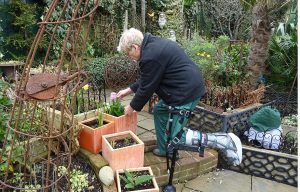
4. Protect Your Knees
Use:
- A gardening stool
- Knee pads
- Cushioned kneeling mats
If kneeling bothers your knees, try raised garden beds or elevated planters.
5. Use Ergonomic Tools
Lightweight tools with larger grips can reduce strain on your hands and wrists.
Look for:
- Long-handled tools
- Padded grips
- Lightweight watering cans
- Rolling carts instead of carrying supplies
6. Listen to Your Body
Soreness after activity can be normal, but sharp pain is not.
Take breaks if you notice:
- Increasing pain
- Tingling or numbness
- Muscle cramping
- Joint swelling
- Fatigue
Pushing through pain often leads to longer recovery times.
How Physiotherapy Can Help
If gardening has already triggered discomfort, physiotherapy can help you recover and prevent future flare-ups.
Treatment may include:
- Hands-on therapy
- Stretching and strengthening exercises
- Mobility work
- Posture and movement education
- Personalized exercise plans
- Advice for modifying activities safely
Our goal is to help you stay active doing the things you enjoy — including spending time in your garden.
Enjoy the Season Safely
Gardening is a fantastic way to stay active, improve mobility, and support overall well-being. With a few small adjustments, you can protect your body and make the most of the warmer weather.

Visit us or call us at 519-942-8884 today to book with your neighborhood wellness clinic and let our team of specialized health professionals help you get back to being you!